Alanta: A Handwritten Font for Makers
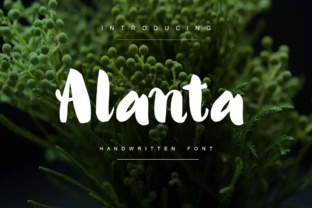
The smell of warm wax and dried lavender fills the studio as I sit down to finalize the label design for my upcoming batch of soy candles. For weeks, I had been stuck in a creative rut, cycling through dozens of typefaces that felt either too rigid or too messy. I needed something that captured the organic, imperfect beauty of handmade goods without sacrificing legibility. That was when I discovered Alanta, a hand-written font created with a brushpen that immediately changed the trajectory of my design process.
As a crafter and small business owner, I know that typography is not just about reading words; it is about feeling them. When I typed out "Lavender & Sage" using Alanta, the letters danced across the screen with a natural rhythm that felt authentic. It wasn’t just a digital imitation of handwriting; it carried the weight and flow of a real brushstroke. This Script Amp typeface has since become a cornerstone of my brand identity, appearing on everything from boutique tags to wedding invitations.
Bringing Warmth to Product Labels and Packaging
One of the most challenging aspects of running a handmade shop is creating packaging that feels personal yet professional. Mass-produced fonts often make small-batch products look generic, while overly chaotic scripts can be difficult for customers to read at a glance. Alanta strikes a perfect balance. Its visual personality is warm, inviting, and slightly rustic, making it ideal for branding projects that rely on an emotional connection with the buyer.
I recently used Alanta for a line of artisanal soap bars. The font’s brushpen origin gives it a textured look that complements the natural ingredients listed on the back. When printed on kraft paper labels, the thick and thin strokes of the font create a beautiful contrast against the rough texture of the paper. This attention to detail elevates the perceived quality of the product. Customers often comment on how the packaging feels "thoughtful," and I believe the typography plays a significant role in that perception. It signals that care went into every aspect of the item, not just the product itself.
For those creating digital downloads or printable wall art, Alanta offers versatility. Whether you are designing a minimalist nursery print with a single meaningful word or a complex quote for a living room gallery wall, this font holds its own. It works exceptionally well for headers and headlines where you want to grab attention without shouting. The fluidity of the letters draws the eye across the page, encouraging the viewer to linger on the message.
Versatility Across Handmade Projects
The true test of any creative font is its adaptability. Can it survive the transition from a digital screen to a physical object? With Alanta, the answer is a resounding yes. I have experimented with this typeface across a huge range of design projects, and it consistently delivers charming results.
- Greeting Cards and Invitations: For wedding stationery, Alanta adds a touch of modern elegance. It pairs beautifully with formal details, softening the rigidity of traditional layouts. I used it for the names of the couple on a set of rustic-chic invitations, and the result was both romantic and contemporary.
- Apparel and Tote Bags: When working with heat transfer vinyl or screen printing, simplicity is key. Alanta’s clean lines and distinct letterforms make it suitable for apparel designs. I created a series of tote bags with short, uplifting phrases, and the font remained clear and readable even after multiple washes.
- Stickers and Planner Pages: For printable creators, Alanta is a dream. It works wonderfully for decorative wording in planner kits, adding a handwritten touch to monthly covers and habit trackers. The font’s charm makes standard organizational tools feel more like personal journals.
- Signage and Home Decor: Farmhouse signs and wooden welcome boards benefit greatly from the organic feel of this font. It mimics the look of hand-painted lettering, which is exactly what many homeowners are looking for when they buy decor items.
This versatility makes Alanta a valuable asset in your library of design assets. Whether you are a Cricut user cutting vinyl decals or a graphic designer creating social media graphics, the font adapts to the medium without losing its character.
Readability and Practical Design Tips
While the aesthetic appeal of a script font is important, functionality cannot be ignored. As a seller, I need my customers to read product names, ingredients, and instructions clearly. Alanta is designed with readability in mind, but like any display font, it requires thoughtful application.
I recommend using Alanta primarily for short phrases, names, titles, and decorative wording. It is not intended for long paragraphs of body text. For longer descriptions, pair it with a clean sans serif font or a simple serif font. This contrast creates a hierarchy that guides the reader’s eye. For example, on a candle label, I use Alanta for the scent name and a lightweight sans serif for the burn time and safety warnings. This combination ensures that the brand personality shines through while maintaining clarity.
When using cutting machines like Silhouette or Cricut, pay attention to the size of your design. Intricate scripts can sometimes lose detail if cut too small. I always test a sample cut on scrap material before committing to a full production run. For small stickers or product tags, ensure that the font size is large enough to preserve the delicate tails and connections of the letters. If you are creating SVG-style designs for merchandise, check the node count and simplify paths if necessary to ensure smooth cutting.
Building a Cohesive Brand Identity
Consistency is key to building a recognizable brand. By incorporating Alanta into various touchpoints—from your logo design to your packaging design and social media graphics—you create a cohesive visual language. Customers begin to associate the specific flow and charm of the font with your brand values. This emotional appeal fosters loyalty and engagement.
Before finalizing your designs, always check the included styles, alternates, ligatures, and swashes. These features allow you to customize the look of the text, preventing repetitive patterns and adding a unique flair to each project. Additionally, verify the file formats and multilingual support to ensure the font meets your specific technical needs. Most importantly, review the commercial font licensing terms. Understanding your rights is crucial when selling physical products, templates, printables, or digital downloads. Ensuring you are compliant allows you to sell with confidence.
In the end, choosing the right typeface is an act of storytelling. Alanta tells a story of craftsmanship, warmth, and human touch. It bridges the gap between the digital design process and the tactile reality of handmade goods. For makers, sellers, and creative product creators, it is more than just a font; it is a tool that helps bring your vision to life, one brushstroke at a time.